

Landscaping in Texas comes with challenges that do not show up in many other parts of the country. One week can bring dry heat, followed by strong winds, sudden cold fronts, or heavy rain. These shifts put stress on plants, soil, and irrigation systems, often leading to damage that builds over time.
For property owners, the goal is not just to react after a storm. It is to prepare ahead of time so the landscape can handle these conditions without breaking down. With the right approach, Landscaping in Texas can stay healthy and stable through constant weather changes.
Understanding How Texas Weather Affects Landscaping
Texas weather is known for its unpredictability. High winds can move through quickly and shift direction without much warning. Storm systems can bring heavy rain in a short amount of time, followed by long dry periods. In some areas, the threat of hurricanes or tornadoes adds another layer of risk.
These conditions impact landscaping in Texas in several ways. Strong winds can break branches, uproot shallow plants, and strip away mulch. Heavy rain can lead to pooling water, soil erosion, and damage to planting beds. At the same time, sudden drops in temperature can shock plants that were adjusted to warmer conditions.
The constant shift between warm and cold weather is especially hard on plant systems. Roots may begin to grow during warmer periods, only to slow down or become stressed when temperatures drop again. This cycle weakens plants and makes them more vulnerable to disease and damage.
Identifying Weak Points in Your Landscape
Preparing landscaping in Texas starts with understanding where problems are most likely to occur. Every property has areas that are more exposed to wind, water, or temperature shifts.
Open sections of a property tend to take the full force of high winds. Trees or shrubs in these areas may be more likely to break or lean. Low spots in the landscape often collect water during heavy rain, which can lead to root damage and soil movement.
Drainage patterns are another key factor. If water is not moving away from buildings and planting areas properly, it can create long-term issues. Soil type also plays a role. Clay-heavy soil, which is common in parts of Texas, can hold water for too long and become compacted.
By identifying these weak points early, property owners can make adjustments that help landscaping in Texas perform better under stress.
Choosing Plants That Can Handle Texas Conditions
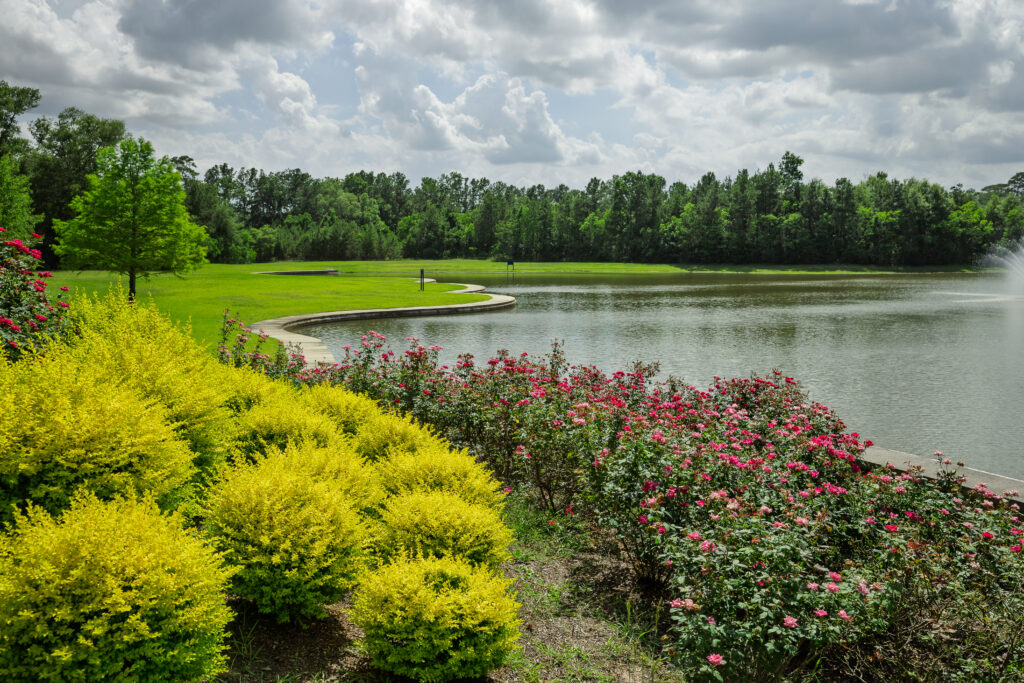
Plant selection is one of the most important decisions in landscaping in Texas. Not all plants can handle extreme heat, strong winds, and temperature swings.
Native and drought-tolerant plants are often the most reliable choice. They are already adapted to local conditions and can handle periods of limited water. They also tend to recover faster after storms or sudden weather changes.
Plants react differently to temperature swings. Some may go into stress when warm weather is followed by a sudden cold snap. Others may struggle with long periods of heat. Choosing plants that are proven to perform well in Texas helps reduce these risks.
Spacing and placement also matter. Plants that are too close together can compete for water and nutrients. Plants placed too close to buildings or hard surfaces may experience more stress from reflected heat or poor drainage.
Managing Soil, Mulch, and Moisture
Soil conditions have a direct impact on how well landscaping in Texas holds up during weather changes. Healthy soil supports strong root systems, which helps plants stay in place during wind and recover after stress.
Mulch plays a key role in protecting soil. A consistent layer helps retain moisture during dry periods and reduces the impact of heavy rain on the soil surface. It also helps regulate soil temperature, which is important during rapid shifts between warm and cold weather.
Moisture management is just as important. Too much water can be just as damaging as too little. When soil stays saturated for long periods, roots can weaken and plants may decline.
Balancing moisture levels is one of the most important parts of maintaining landscaping in Texas, especially during seasons with unpredictable rainfall.
Keeping Irrigation Systems in Working Order
Irrigation systems are often overlooked until something goes wrong. In landscaping in Texas, they play a major role in keeping plants stable through both dry and wet periods.
Systems should be checked regularly to make sure they are working as intended. Leaks, broken heads, or poor coverage can lead to uneven watering. Some areas may become too dry, while others receive too much water.
Seasonal adjustments are also important. Watering schedules should change based on current conditions. During periods of rain, systems may need to be reduced or shut off. During dry stretches, deeper watering may be needed to support root systems.
Proper irrigation setup and maintenance help landscaping in Texas stay consistent, even when weather patterns shift quickly.
Preparing for High Winds and Storm Conditions
Wind is one of the most damaging elements for landscaping in Texas. Strong gusts can arrive quickly and cause immediate damage.
Trees and larger plants should be inspected regularly. Weak branches should be removed before storm season to reduce the risk of breakage. Younger trees may need support to help them stay upright during strong winds.
Mulch and loose materials should be monitored as well. In high winds, these can be moved or scattered, leaving soil exposed. Keeping planting beds properly maintained helps reduce this risk.
Dealing with Temperature Swings
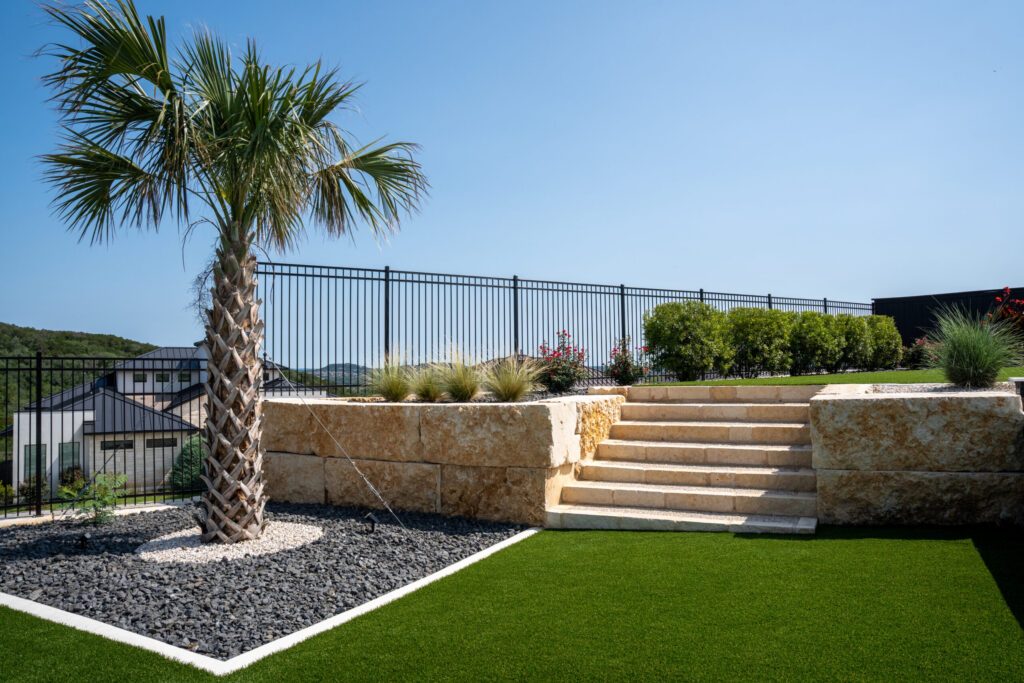
Temperature swings are one of the more subtle challenges in landscaping in Texas. Unlike storms, the damage is not always immediate, but it can build over time.
Plants that experience repeated shifts between warm and cold conditions may show signs of stress. Leaves may drop, growth may slow, and overall health can decline.
Protecting plants during colder periods can help reduce this impact. Covering more sensitive plants or placing them in protected areas can limit exposure. Maintaining proper soil moisture also helps roots stay stable during temperature changes.
Understanding how plants react to these shifts allows property owners to make better decisions about care and maintenance.
Why Ongoing Maintenance Matters
Landscaping in Texas is not something that can be set once and left alone. The constant changes in weather require ongoing attention.
Regular inspections help catch issues before they become larger problems. This includes checking for drainage concerns, monitoring plant health, and making adjustments to irrigation systems.
Maintenance also keeps the landscape looking clean and professional. This is especially important for commercial properties, where appearance plays a role in how the business is perceived.
Consistent care is what allows landscaping in Texas to hold up over time, even with the challenges that come with the local climate.
Working with a Team That Understands Texas Landscapes
Managing all of these factors can be difficult without the right experience. Landscaping in Texas requires knowledge of local conditions, plant performance, and proper system setup.
Maldonado Nursery & Landscaping has been serving Texas since 1985, providing commercial construction, irrigation design and installation, landscape design, and maintenance services. Their team understands how to prepare properties for the weather conditions common across the region.
From evaluating drainage to adjusting irrigation systems and maintaining plant health, they handle the work needed to keep landscapes performing well.
Get Your Landscape Ready for Texas Weather
Preparing landscaping in Texas for seasonal wind, rain, and temperature swings takes planning and consistent care. The right steps can prevent damage, reduce long-term costs, and keep your property looking its best.
Maldonado Nursery & Landscaping can help you get ahead of these challenges with professional design, installation, and maintenance services tailored to Texas conditions.
To get started, visit our contact page and connect with their team today.
FAQs
What makes Landscaping in Texas different from other regions?
Landscaping in Texas must handle extreme heat, sudden storms, high winds, and rapid temperature changes, which require more careful planning and maintenance.
How do temperature swings affect plants in Texas?
Rapid shifts between warm and cold weather can stress plants, slow growth, and make them more vulnerable to damage.
Why is irrigation important for landscaping in Texas?
Irrigation helps maintain consistent moisture levels, which is critical during both dry periods and after heavy rain.
How can I protect my landscape from strong winds?
Regular pruning, proper plant placement, and maintaining healthy root systems can help reduce wind damage.
When should I prepare my landscape for storm season?
Preparation should begin before peak storm periods, with regular inspections and maintenance to address potential issues early.

Maldonado brings your projects to life through expertise, innovation and a commitment to quality. From soft scape, hardscape, irrigation, and lighting; our team of experts will ensure your commercial and residential projects are planned and executed with to the highest standard.
- Commercial Landscape Lighting Services: Improving Safety, Visibility, and Curb Appeal

- How Landscape Construction Services Support Growing Commercial Sites Across Texas

- How to Cut Water Waste With Professional Landscape Irrigation Services in Texas
- Landscape Design in Texas: Landscaping for Long-Term Outdoor Performance