
Winter seasonal color is one of the few things that makes a commercial property look cared for in the months when most of the landscape is resting. The right plants, in the right spots, carry an entrance from late fall into spring. The wrong ones look tired after the first cold front.
Here is how the main winter annuals perform on Texas commercial sites, and how to get the most from each rotation.
Pansies And Violas: The Workhorses
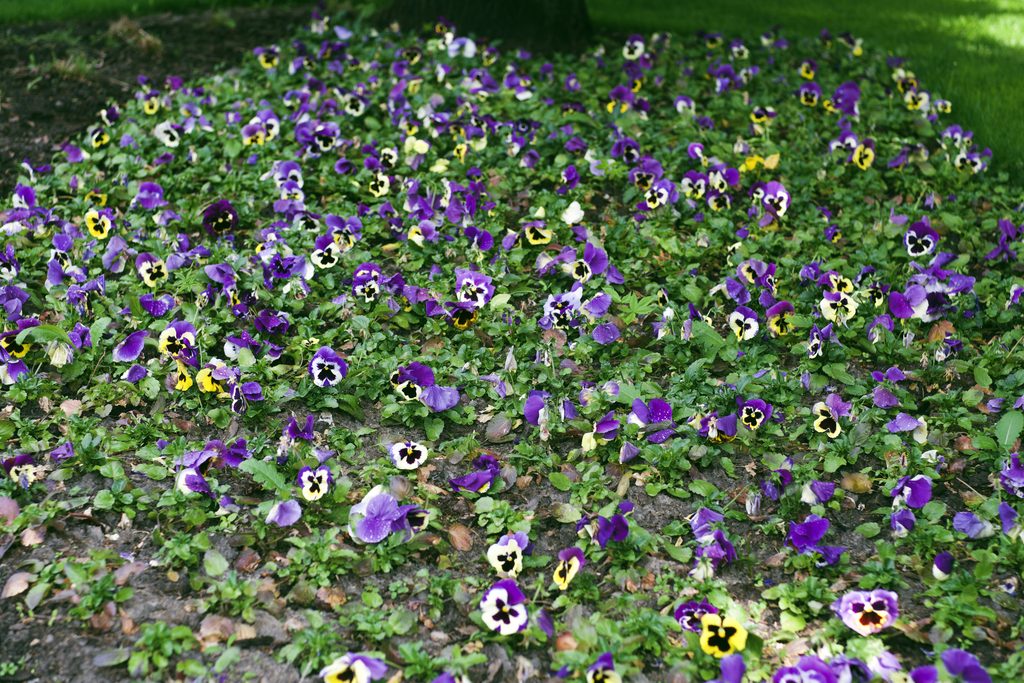
Pansies and their smaller cousins, violas, are the backbone of winter seasonal colors across most of Texas. They handle typical frosts, bloom through cool weather, and come in nearly every color a property could want.
- Best in full sun to part sun
- Hold up well in high-visibility beds at entrances and signage
- A hard freeze can damage open blooms, but healthy plants usually recover and rebloom
- Violas tend to bounce back from cold a little faster and read well in mass plantings
Pansies and violas fade as heat builds in spring. In South Texas and the Valley, they may need to come out earlier than in North Texas.
Cyclamen: Color For the Shade
Cyclamen fill a gap pansies cannot. They thrive in bright shade and part shade, which makes them a strong choice for covered entries, north-facing beds, courtyards and planters under building overhangs.
They are less forgiving than pansies, though. Cyclamen do not like soggy soil, so irrigation in their beds needs to be adjusted down. They also prefer protected locations: a hard freeze in an exposed bed can finish them off, while the same plants under an overhang often come through fine. Use them where they will be seen up close and where the site offers some shelter. Planters at front doors and lobby entrances are classic spots, since people pass within a few feet and the building blocks the worst of the north wind.
Kale, Cabbage and Other Cold-Season Options
Ornamental kale and cabbage add bold foliage and structure to a winter bed. Their purple, pink and cream centers actually intensify as temperatures drop, so they often look best in the middle of winter when other plants are struggling.
They work well as a border, as a focal point in a planter, or mixed with pansies for contrast. They do bolt and stretch as spring warms up, which is the sign that the rotation is ending. Because kale is grown for foliage rather than flowers, it also hides the damage a freeze can do to blooms, which makes it a smart choice for the beds that matter most.
Depending on location and design, these can round out a winter palette:
- Snapdragons for height in the back of a bed
- Dianthus for compact, fragrant color in sun
- Alyssum as a low, soft edge that spills over borders
- Dusty miller for silver foliage that ties mixed colors together
In the Rio Grande Valley and along the coast, where hard freezes are less frequent, there is often room for a broader palette. Your account team can tailor recommendations to your market.
Keeping Winter Beds Looking Good
Winter seasonal colors are only as good as the care put behind it. A few practices make the difference:
- Bed prep first. Remove spent summer color, loosen and amend the soil, and refresh mulch before planting.
- Water to the plant, not the calendar. Cool-season annuals use less water than summer color. Overwatering invites rot, especially in shade beds.
- Feed for cold soil. In cool soil, fertilizers with nitrate forms of nitrogen are more readily available to plants than some other forms.
- Deadhead and groom. Removing faded blooms keeps pansies flowering.
- Plan for freezes. A light cover or extra irrigation ahead of a hard freeze can protect high-profile beds.
How MNL Handles Winter Color
We treat seasonal color as part of the overall look of the property, not a standalone purchase. Our approach is to match plants to each bed’s sun, shade, visibility and irrigation, prep the beds properly before planting, and adjust irrigation for the cooler season. Through THE MALDONADO STANDARD™, the condition of color beds is part of what shows up in your SITE EXCELLENCE REVIEW reports, so you can see how your investment is holding up.
If your winter color is not in the ground yet, or you want a different plan for next year, let’s talk about which beds deserve it most.
Contact Maldonado Nursery & Landscaping to discuss seasonal color for your properties.
Frequently asked questions
What are the best winter flowers for commercial landscapes in Texas?
Pansies, violas, cyclamen, ornamental kale and cabbage are popular choices for Texas commercial properties. The best options depend on each bed’s sunlight, irrigation and exposure to cold weather.
When should winter annuals be planted in Texas?
Winter annuals are generally planted in fall as temperatures begin to cool. Planting schedules vary by region, with South Texas and the Rio Grande Valley often having a longer planting window.
How do you protect winter color from freezing temperatures?
Choose cold-tolerant plants such as pansies, violas and ornamental kale. Before a hard freeze, make sure plants are properly watered and use protective covers when appropriate. More sensitive plants, such as cyclamen, should be placed in sheltered locations.
How often should winter flower beds be maintained?
Winter flower beds should be inspected regularly for faded blooms, damaged foliage, weeds, irrigation issues and signs of overwatering. Maintenance schedules should account for plant type, weather conditions and the property’s appearance requirements.

Maldonado brings your projects to life through expertise, innovation and a commitment to quality. From soft scape, hardscape, irrigation, and lighting; our team of experts will ensure your commercial and residential projects are planned and executed with to the highest standard.